
1
We pinpoint which vestibular issue is behind it.
For the knots that stretching, foam rolling, and time alone never touch: a precise release you can feel before you leave the room.
What It Is
Dizziness rarely gets explained well. You’re told it’s vertigo and left to manage it, when there’s usually a specific, treatable cause: BPPV, vestibular neuritis or labyrinthitis, Meniere’s, vestibular migraine, or dizziness that started after a concussion.
Vestibular therapy starts by identifying which one you’re dealing with. From there, your physical therapist uses canalith repositioning, like the Epley maneuver, to physically move displaced crystals back where they belong, along with gaze and balance retraining that teaches your brain to compensate for the signal that’s off.
The goal is simple: stop the spinning, and steady you on your feet. Whatever phase you’re working through, Pain, Prime, Perform, or Prevent, this is the work that gets you moving without bracing for the next episode.
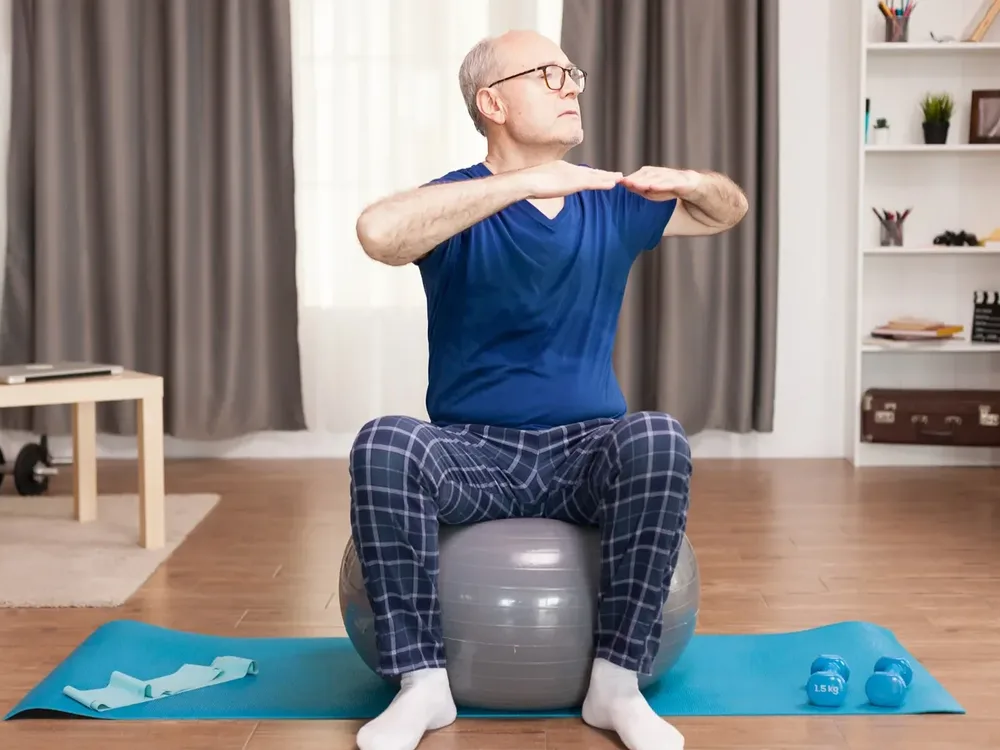 Gentle, paced to what you can handle
What It Helps
If the room spins when you roll over in bed, or you feel unsteady for no clear reason, your vestibular system is usually the cause.
What A Session Looks Like
1
We pinpoint which vestibular issue is behind it.
2
We treat it directly, often the same visit.
3
We retrain your balance so it holds.
Why It Works
Stops BPPV vertigo, often in one visit.
Retrains balance after neuritis or a concussion.
Calms vestibular migraine episodes.
Rebuilds the confidence to move without bracing.
Questions, Answered
Some of them may bring on brief dizziness on purpose, since that’s often how your brain learns to adjust to the faulty signal. Your physical therapist explains exactly what to expect before each exercise, and everything is paced to what you can actually tolerate that day.
Yes. General balance training strengthens your legs and core. Vestibular therapy treats the actual cause of the dizziness, whether that’s BPPV, neuritis, Meniere’s, vestibular migraine, or a concussion, using specific repositioning and retraining techniques built for that cause.
It depends on the cause. BPPV often resolves in one to a few visits with canalith repositioning. Neuritis, migraine, or post-concussion dizziness usually takes longer as your brain relearns to compensate. We’ll give you a realistic timeline after the first evaluation. Questions before then? Call us at (910) 239-7834.
Book Your Visit
Request a time and a real person calls you back, usually within two business hours. No phone tree. No ‘someone will reach out.’ Just a plan.
4.9 · 50 Google reviews
Typical response: under 2 business hours
Step 1 of 5
That’s the hard part done. We’ll call during business hours to lock in your time. Most people are on the schedule same week.
Visit Us